
Editor’s note: African-Startups is a sister publication of EU-Startups, bringing trusted coverage of startups, venture capital, and innovation across Africa.
Three Kenyan ClimateTech startups have been selected among 16 global winners of Tencent’s CarbonX 2.0 programme, securing a share of nearly $30 million in catalytic funding aimed at accelerating breakthrough decarbonisation technologies from pilot projects to commercial deployment.
The Kenyan companies, Octavia Carbon, Cella Mineral Storage and Flux, were recognised for developing carbon dioxide removal solutions that address one of the world’s most pressing climate challenges, as Tencent expands its support for next-generation climate innovation.
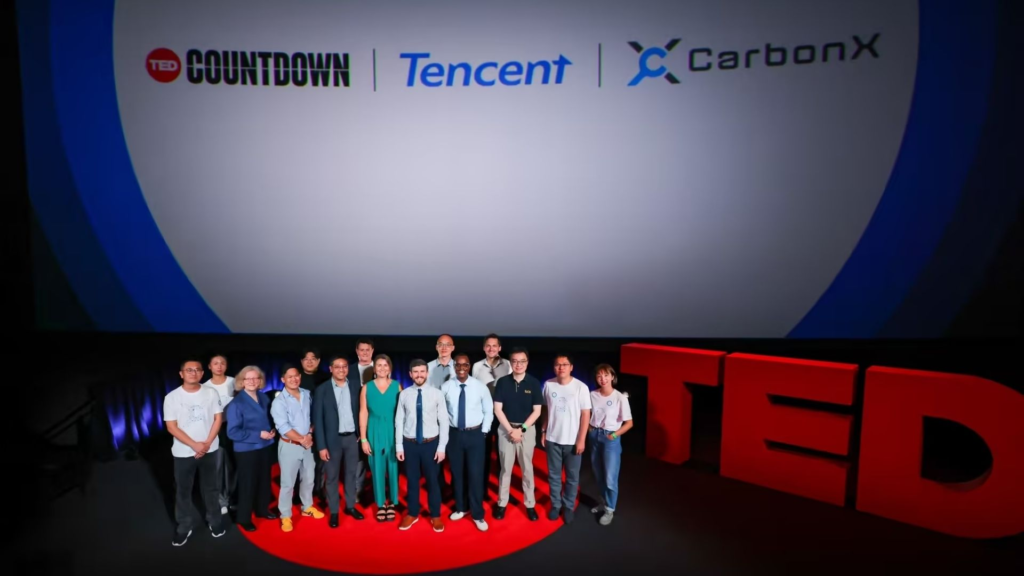
The winners were announced during an event at the London Science Museum, co-hosted with TED as part of London Climate Action Week 2026. Beyond financial support, the selected teams will receive technical expertise, access to industry networks and opportunities to pilot and scale their technologies in real-world settings.
Tencent says CarbonX 2.0 attracted 660 applications from 54 countries and regions spanning six continents, underscoring growing global interest in climate technologies. Following a multi-stage evaluation process, Tencent shortlisted 50 finalists before selecting 16 winners to receive funding and additional resources to help commercialise their solutions.
Ten of the winning teams were selected across four priority technology tracks, including carbon dioxide removal, carbon capture, utilisation and storage for the steel industry, carbon utilisation, and long-duration energy storage. Six additional teams were chosen for tailored support covering measurement, reporting and verification (MRV), carbon credit procurement commitments and green-premium subsidy mechanisms.
“The climate challenge demands bold innovation and accelerated action,” said Dr. Hao Xu, Vice President of Tencent’s Sustainable Social Value and Head of Climate Innovation. “CarbonX 2.0 reflects Tencent’s role as a catalyst, connector, and mobilizer within the climate ecosystem. By backing these frontier technologies with substantial funding and access to our extensive network, we are helping unlock the next generation of climate innovation and supporting these solutions as they scale towards commercial viability and global impact.”
Among the selected companies is Nairobi-based Octavia Carbon, which is building direct air capture technology designed specifically for the African continent. The company uses Kenya’s abundant geothermal energy to power machines that remove carbon dioxide directly from the atmosphere. It aims to permanently eliminate atmospheric CO2 while producing high-quality carbon removal credits for organisations seeking to reduce their emissions.
Also selected is Cella Mineral Storage, a US and Kenya-based startup developing permanent carbon storage through mineralisation. The company accelerates the natural process by which carbon dioxide reacts with minerals to form stable carbonate rocks, providing a durable and verifiable method of locking away captured CO2 for thousands of years. By combining carbon capture with geological storage, Cella aims to offer scalable and permanent carbon removal solutions.
The CarbonX 2.0 recognition comes shortly after Octavia Carbon and Cella Mineral Storage achieved a major milestone for Africa’s carbon removal industry. The companies completed Kenya’s first direct air capture-to-geological storage injection test in the Rift Valley near Lake Elementaita, making Octavia Carbon only the fourth direct air capture company globally known to permanently store carbon dioxide underground.
During the pilot, around 460 kilograms of CO2 captured directly from the atmosphere were injected into reactive basalt rock using Cella’s mineralisation technology, demonstrating that Kenya’s volcanic geology could support permanent carbon storage. It also showcased the commercial potential of the technologies being backed by Tencent and positioned Kenya among a small group of countries with operational direct air capture and geological storage capabilities.
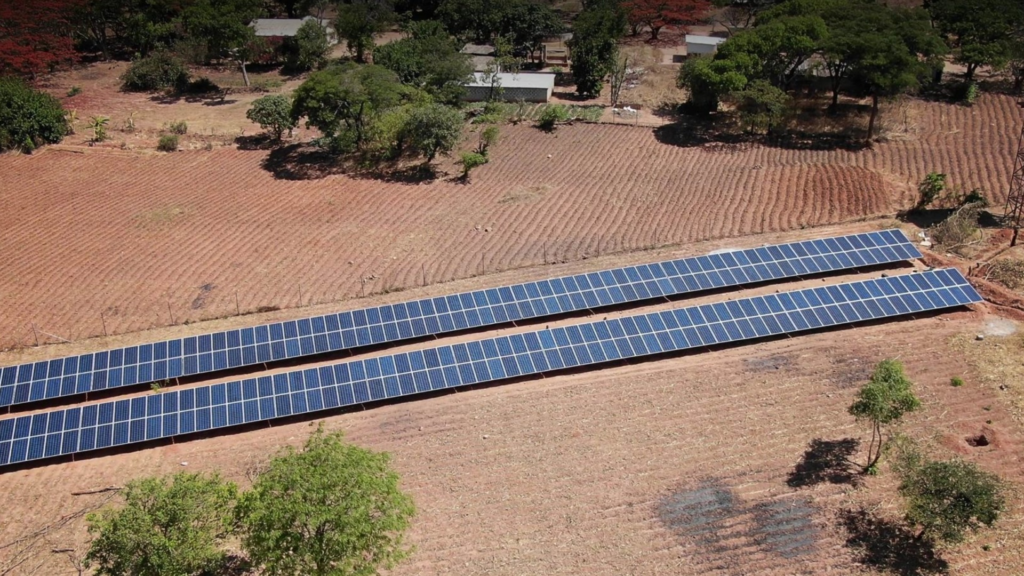
The third Kenyan winner, Flux, is advancing enhanced rock weathering, a carbon removal approach that spreads finely crushed silicate rock over agricultural land. As the minerals naturally weather, they absorb atmospheric carbon dioxide and convert it into stable bicarbonates that are eventually stored in the oceans. Alongside removing carbon, the process can improve soil health and agricultural productivity. Flux also develops carbon removal credits that enable businesses to support scientifically verified climate action.
According to Tencent, the 16 winning teams represent technologies ranging from geothermal-powered carbon capture and sustainable materials made from captured carbon dioxide to advanced energy storage systems. By combining catalytic funding with technical resources, pilot opportunities and strategic partnerships, the CarbonX 2.0 initiative aims to help promising climate technologies bridge the gap between research and large-scale commercial deployment while contributing to global decarbonisation efforts.