
Editor’s note: African-Startups is a sister publication of EU-Startups, bringing trusted coverage of startups, venture capital, and innovation across Africa.
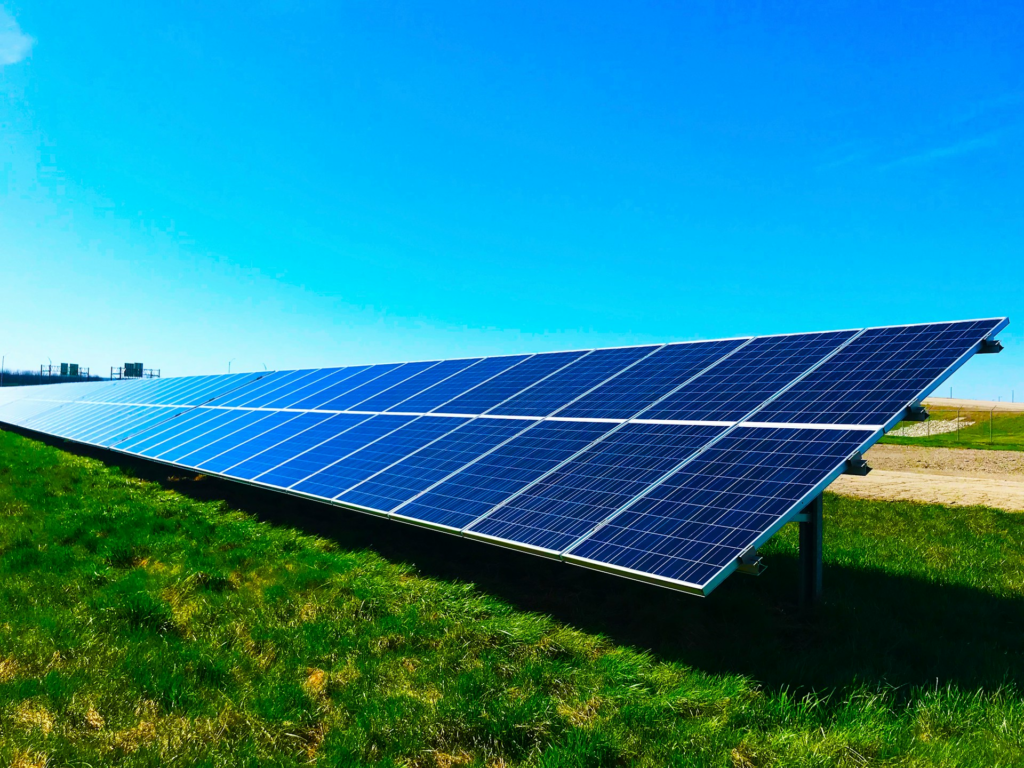
Nigeria has commercially launched a $300 million Distributed Renewable Energy (DRE) Fund. It will finance mini-grids, solar home systems and other off-grid power for communities and businesses that the national grid does not serve reliably.
The Nigeria Sovereign Investment Authority (NSIA) and Africa50 are co-managing the fund. Sustainable Energy for All (SEforALL) provides energy-access leadership, and the World Bank is a founding partner. The partners announced the launch on 21 September 2026, on the sidelines of the United Nations General Assembly in New York.
NSIA managing director Aminu Umar-Sadiq said the launch shows that Nigeria’s distributed renewable market is “investable, credible and ready to operate at scale.
The fund is the first country-level demonstration linked to a continental financing platform under Mission 300, according to the International Solar Alliance. Mission 300 is a World Bank and African Development Bank effort to connect 300 million people in Africa to electricity by 2030.
NSIA is Nigeria’s sovereign wealth fund. Africa50 is an infrastructure investment platform backed by African governments. The fund builds on the earlier Nigeria Electrification Project, through which developers built 180 solar hybrid mini-grids in 23 states. These connected more than 146,000 households and added 19.2MW of renewable capacity, TechCabal reported on 28 September 2026.
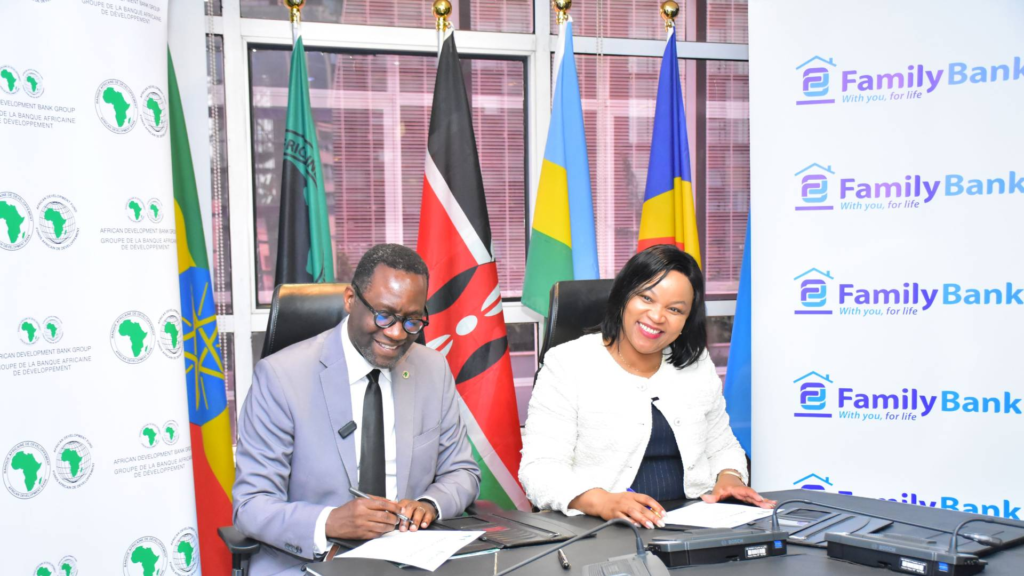
Africa50 group chief executive Alain Ebobissé said the partnership is meant to turn the need for electricity into investable opportunities. He also said it can offer a model that other African countries can copy. Alain Ebobissé, Group Chief Executive Officer of Africa50.
Money from the fund is expected to go to local developers working on solar home systems, isolated mini-grids, storage, and commercial and industrial installations. The World Bank is contributing an initial $25 million through the International Development Association. That is about 8.3% of the $300 million target.