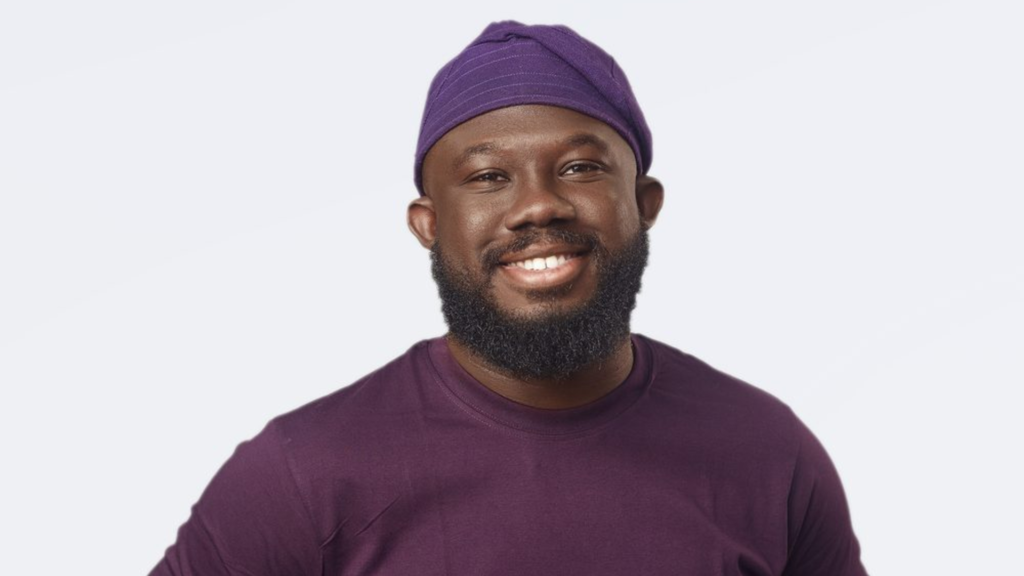


South Africa-founded, US-based HealthTech startup Healthleap has raised $38 million in combined Seed and Series A funding. The round was backed by Sequoia Capital, First Round Capital and Hummingbird Ventures.
Healthleap screens hospital patients for conditions that often go undiagnosed. Its software reads each inpatient’s record every day and flags those at high risk, so care teams can see who needs attention first.
“Every week, millions of patients leave hospitals with unresolved health conditions that will erode their health and cost up to 10x more to treat in the long term. Our goal is to help improve care and save lives by identifying those conditions now,” said Josiah Meyer, co-founder and CEO of Healthleap.
Healthleap was founded in South Africa in 2022 by siblings Josiah and Jemima Meyer. Jemima worked as a clinical dietitian and saw patients being found too late, which led to the idea.
It is an AI platform for hospitals that helps find undiagnosed conditions in patients. It analyses electronic health record (EHR) data to predict patient risks and integrates its findings into hospital workflows, allowing for early detection during patient admission or stays.
Healthleap is HIPAA-compliant and SOC 2 certified. It collaborates with top health systems to enhance patient outcomes, minimise missed diagnoses, and promote efficient hospital operations.
It uses data already in the record, including notes, labs, vitals, orders and problem lists. The company works with hospitals such as Penn Medicine, Houston Methodist, Cedars-Sinai and Emory Healthcare.
The company started with malnutrition. Most hospitals screen for it with two questions asked once, at admission, so patients who are sedated, confused or too sick to answer are often missed.
Up to half of hospitalised patients are at risk, yet fewer than 9% are formally diagnosed. Malnutrition costs the US healthcare system up to $58 billion a year. Healthleap reports the following results:
- At Penn Medicine, each flagged patient stayed 1.6 days less in hospital.
- At Cedars-Sinai, staff made 39% more appropriate diagnoses.
- One hospital site saw more than $23 million in annualised return on investment.
- More than half a million patients are screened each year.
- The company grew from 3 to over 50 hospital partners in the past year.
Healthleap first deployed malnutrition, followed by delirium. Aspiration pneumonia, acute kidney injury (AKI), congestive heart failure (CHF) and pressure injuries are next.
“Malnutrition was the first condition we deployed. Delirium, the second. Aspiration pneumonia, AKI, CHF, and pressure injuries are next. Health systems are asking us for 40 more,” added Meyer.
Healthleap will use the funding to add more conditions to its platform. It will also hire across its engineering, sales, customer success and product teams.
“Healthleap is focused on finding patients who are being missed and getting them the care they need. The impact for both patients and hospitals has been inspiring, with one hospital seeing 39% more malnutrition cases identified and treated, and $11 million in incremental revenue in a single health system,” said Alfred Lin, Partner at Sequoia Capital