
Editor’s note: African-Startups is a sister publication of EU-Startups, bringing trusted coverage of startups, venture capital, and innovation across Africa.
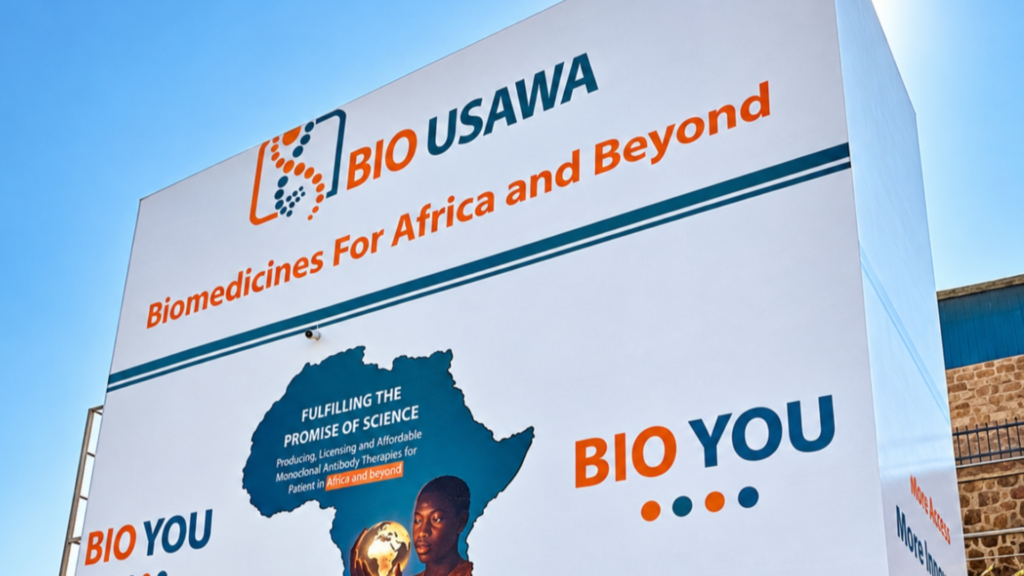
Bio Usawa is building a biotech research and manufacturing plant in Rwanda, and expects to launch it by the fourth quarter of 2026. The company says it will be the first monoclonal antibody manufacturing facility in Sub-Saharan Africa.
Monoclonal antibodies are biologic medicines, and many of the most advanced ones are developed and made far from Africa. Bio Usawa wants to change this by building the ability to discover, develop, make and deliver biologics on the continent.
“In Rwanda, we are turning that belief into reality with the first monoclonal antibody manufacturing facility in Sub-Saharan Africa; a bold step toward a stronger, more self-sustaining African biopharmaceutical ecosystem,” says the company.
It says local production would create local expertise, strengthen health systems and bring therapies closer to patients. The company describes itself as building Africa’s first end-to-end monoclonal antibody company. These claims come from Bio Usawa and have not been independently verified.
Bio Usawa is a privately-held biotechnology company founded by Menghis Bairu and Richard Chin. The company focuses on developing and manufacturing high-quality, affordable, and lifesaving monoclonal antibodies targeted at patients in Africa and beyond.
Bio Usawa envisions a future where biotherapies are accessible and affordable, crafted in Africa by Africans for the benefit of all. The company’s mission centers on creating and distributing affordable biosimilars and bio-betters, prioritizing underserved populations.
The announcement comes a few days after announcing its plans to start selling BioUcenta, its first monoclonal antibody. The medicine was developed with European biotech company Bioeq. Bio Usawa says the aim is to offer high-quality biologic medicines at affordable prices and widen access for patients across Africa.
The company says the regulatory, commercial, manufacturing and supply chain skills it is building for BioUcenta will support more treatments later. It named ophthalmology, oncology, autoimmune diseases and infectious diseases as future areas. It did not give details on timelines, capacity or the exact medicines it plans to produce.