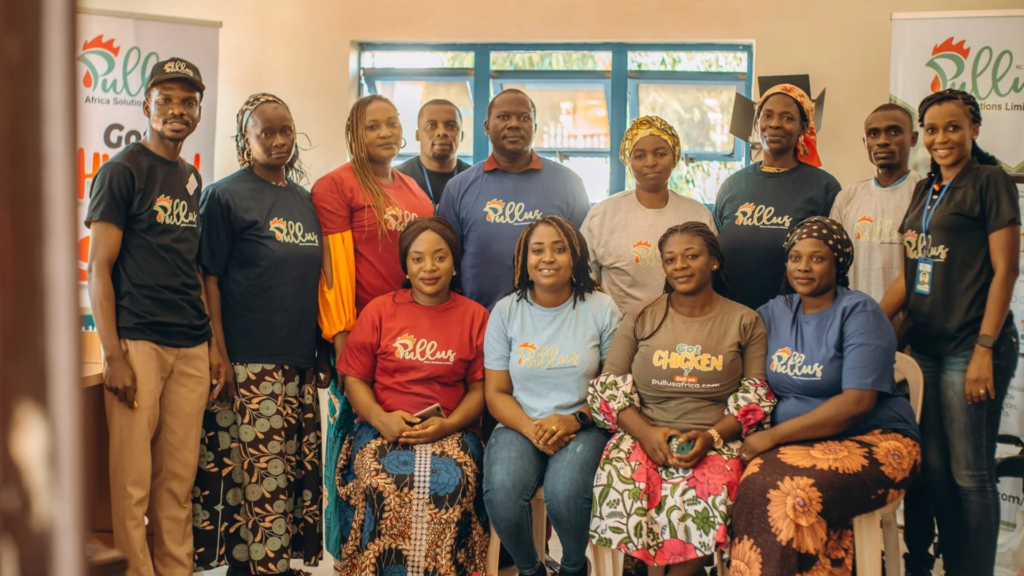
Pullus gets first debt financing to buy poultry from Nigerian smallholder farmers

Editor’s note: African-Startups is a sister publication of EU-Startups, bringing trusted coverage of startups, venture capital, and innovation across Africa. Nigerian poultry supply chain company Pullus Africa has received its undisclosed first debt financing. The money will help Pullus buy birds from smallholder farmers and cover its working capital needs. Pullus pays farmers when it receives their poultry, but it often has to wait to sell. “Like many trading businesses, Pullus has a real need for working capital. Having recently invested substantial resources into buying and setting up their own cold storage facility, the company now has increasing opportunities to time the market price swings by storing birds until the right moment presents itself to sell. However, Pullus must always pay their farmers upon receipt of the poultry, thus leading to a growing need for trade finance,” said the company. Until now, Pullus has been backed by equity and grant providers including Acumen, elea, Livelihood Impact Fund and Mulago. Pullus Africa helps small poultry farmers improve their production by providing access to high-quality markets, inputs, services, and financing. The company uses technology to support farmers, connecting them with buyers and helping them manage their farming practices. The company was founded by CEO Ope Fayomi, who ran her family’s medium-scale chicken farm and worked in rural development. Her brother Abisoye built the technology, and their college friend Titilayo leads operations. Pullus organises farmers into community clusters to build trust and offer support. By coordinating the supply and demand for poultry, they reduce risks for farmers, stabilise incomes, and improve efficiency. Their approach includes regular contact with farmers, guaranteed buyers, and quick payment, which strengthens relationships and ensures quality products. The problem Pullus targets is large. Poultry supports the livelihoods of about 85 million Nigerians, but smallholders have little access to markets. Middlemen offer low prices and no support, bird mortality is around 25%, and input and sale prices swing widely. Without cold storage, farmers cannot time the market. Pullus supports over 25,000 farmers through light-touch training and extension services. In 2025, it bought poultry from about 900 farmers, 70% of them women. Each earned about $615 on average. By comparison, the average Nigerian poultry farmer earns about $125 a year after household consumption, around 20% of the national minimum wage. Pullus says its farmers see income rise by about 70% to 90%, with higher prices, fewer bird deaths, less feed use and more production cycles each year. The company also tested input financing. It has lent to 380 farmers who had worked with Pullus for several cycles, and repayment has been above 99%. The funding will go towards trade finance, so Pullus can keep paying farmers on receipt of poultry while it stores birds and waits for better selling prices.

Copy link to article

Editor’s note: African-Startups is a sister publication of EU-Startups, bringing trusted coverage of startups, venture capital, and innovation across Africa.

Nigerian poultry supply chain company Pullus Africa has received its undisclosed first debt financing. The money will help Pullus buy birds from smallholder farmers and cover its working capital needs.

Pullus pays farmers when it receives their poultry, but it often has to wait to sell. “Like many trading businesses, Pullus has a real need for working capital. Having recently invested substantial resources into buying and setting up their own cold storage facility, the company now has increasing opportunities to time the market price swings by storing birds until the right moment presents itself to sell. However, Pullus must always pay their farmers upon receipt of the poultry, thus leading to a growing need for trade finance,” said the company.

Until now, Pullus has been backed by equity and grant providers including Acumen, elea, Livelihood Impact Fund and Mulago.

Pullus Africa helps small poultry farmers improve their production by providing access to high-quality markets, inputs, services, and financing. The company uses technology to support farmers, connecting them with buyers and helping them manage their farming practices.

The company was founded by CEO Ope Fayomi, who ran her family’s medium-scale chicken farm and worked in rural development. Her brother Abisoye built the technology, and their college friend Titilayo leads operations.

Pullus organises farmers into community clusters to build trust and offer support. By coordinating the supply and demand for poultry, they reduce risks for farmers, stabilise incomes, and improve efficiency.

Their approach includes regular contact with farmers, guaranteed buyers, and quick payment, which strengthens relationships and ensures quality products.

The problem Pullus targets is large. Poultry supports the livelihoods of about 85 million Nigerians, but smallholders have little access to markets. Middlemen offer low prices and no support, bird mortality is around 25%, and input and sale prices swing widely. Without cold storage, farmers cannot time the market.

Pullus supports over 25,000 farmers through light-touch training and extension services. In 2025, it bought poultry from about 900 farmers, 70% of them women. Each earned about $615 on average.

By comparison, the average Nigerian poultry farmer earns about $125 a year after household consumption, around 20% of the national minimum wage.

Pullus says its farmers see income rise by about 70% to 90%, with higher prices, fewer bird deaths, less feed use and more production cycles each year.

The company also tested input financing. It has lent to 380 farmers who had worked with Pullus for several cycles, and repayment has been above 99%.

The funding will go towards trade finance, so Pullus can keep paying farmers on receipt of poultry while it stores birds and waits for better selling prices.

Visited 10 times, 10 visit(s) today