

Editor’s note: African-Startups is a sister publication of EU-Startups, bringing trusted coverage of startups, venture capital, and innovation across Africa.
West Africa’s private sector just got a major financial boost. The Board of Directors of the African Development Fund (ADF) has approved a grant of approximately $3.05 million (1.7 billion CFA francs) to finance the project to strengthen the competitiveness of the private sector across the West African Economic and Monetary Union (WAEMU). The grant covers all eight WAEMU member states: Benin, Burkina Faso, Côte d’Ivoire, Guinea-Bissau, Mali, Niger, Senegal, and Togo.
The African Development Bank Group is the primary development finance institution in Africa, contributing to the economic development and social progress of its 54 regional member states. It consists of three separate entities: the African Development Bank (AfDB), the African Development Fund (ADF), and the Nigeria Special Fund (NSF).
The move could bolster the trade and enterprise dynamics across one of Africa’s most economically integrated regions. In addition to bolstering private sector competitiveness within WAEMU member states, the project is also designed to support the implementation of the African Continental Free Trade Area (AfCFTA). This will help the region capitalise on production and trade opportunities while deepening its integration into the broader AfCFTA market, which is the world’s largest free trade area by number of participating countries.
The central theme of the project is a framework-building exercise that will bring together national stakeholders. National consultations will be convened with National Committees of the Free Trade Area to assess the current state of AfCFTA Agreement implementation and establish a workable operational framework. These consultations will form the basis for a regional workshop where participating countries will agree on a unified accountability, facilitation, and monitoring structure to strengthen the agreement’s execution.
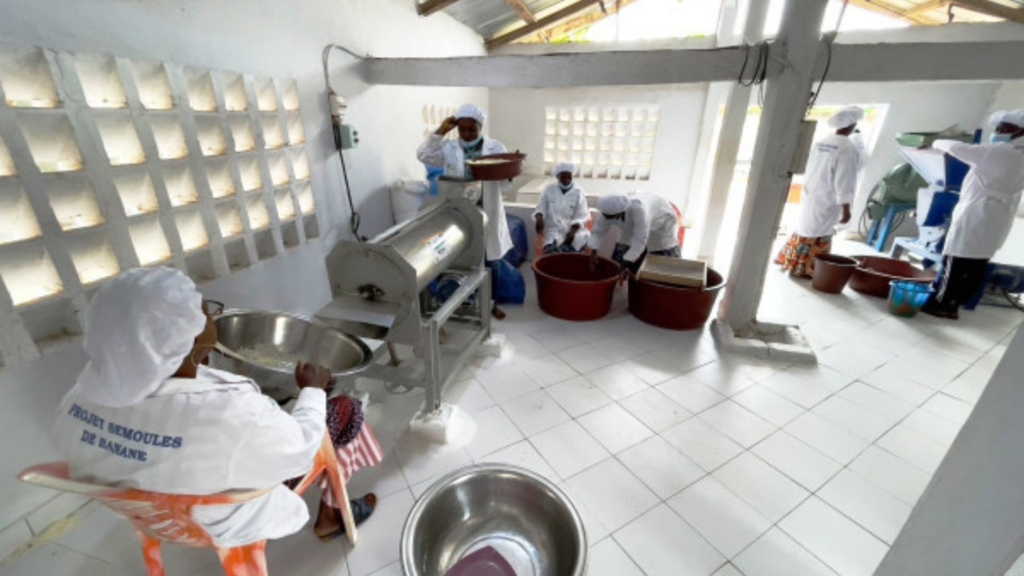
While the implementation of AfCFTA remains a major focus, there is also a sizable interest in supporting the small and medium-sized enterprises (SMEs). The grant will deliver targeted support, including training of trainers, to 80 SMEs that are ready to begin exporting their products. Interestingly, many of these businesses are owned by women and young people, positioning the grant as a tool for inclusive economic development.
The selected SMEs will receive guidance on export procedures, access to finance, regulatory compliance, adoption of new technologies, and sustainable production practices.
“The project aims to establish a framework for harmonising and aligning national strategies, and leverages the complementarities and synergies of national efforts, whilst strengthening the effectiveness of existing instruments for promoting sub-regional integration,” said Lamin Barrow, the African Development Bank Group’s Director General for West Africa.
The project’s direct beneficiaries extend beyond the business community. The public institutions responsible for the AfCFTA implementation, private-sector stakeholders within the Union, and the broader population of approximately 147 million people also stand to benefit from the interventions. ADF’s expected outcomes include improved trade facilitation, reduced trade costs, and the creation of medium- and long-term trade opportunities across the region.
Barrow adds that the Bank brings extensive experience in supporting regional integration through operations in infrastructure, trade facilitation and export diversification. The initiative will also deepen WAEMU’s capacity as a customs union and bolster the WAEMU Regional Chamber of Commerce in its representative role within the regional integration process.