
Editor’s note: African-Startups is a sister publication of EU-Startups, bringing trusted coverage of startups, venture capital, and innovation across Africa.
Ocular AI, a US-based startup with Zambian and Zimbabwean co-founders, has raised a $2 million pre-Seed round led by Drive Capital. The company builds datasets and benchmarks that AI labs use to train and test voice models.
Y Combinator, Alumni Ventures, 1745 Ventures (formerly Bertelsmann Digital Media Investments), Orange Collective, MyAsia VC, and a group of angel investors also joined the round.
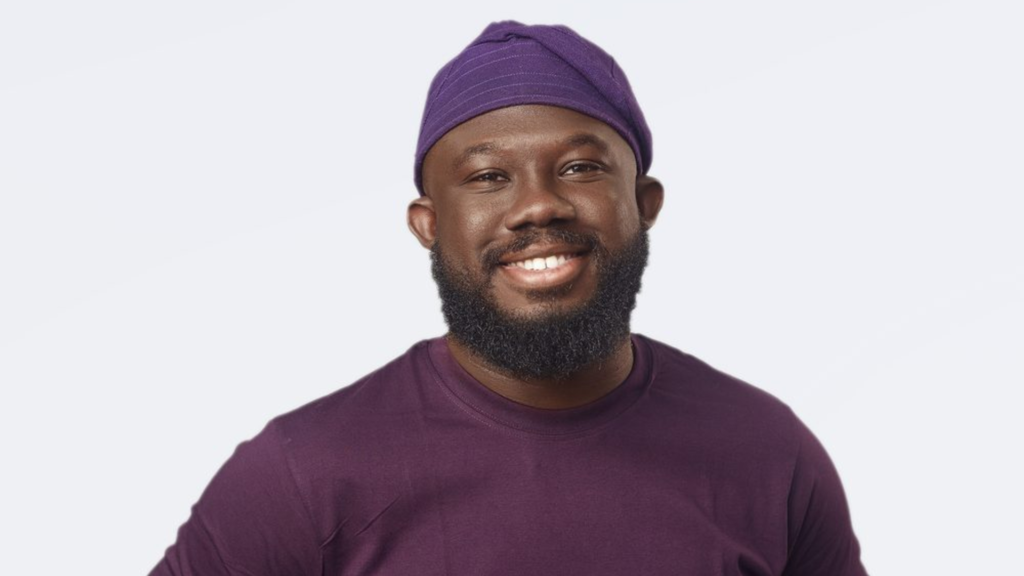
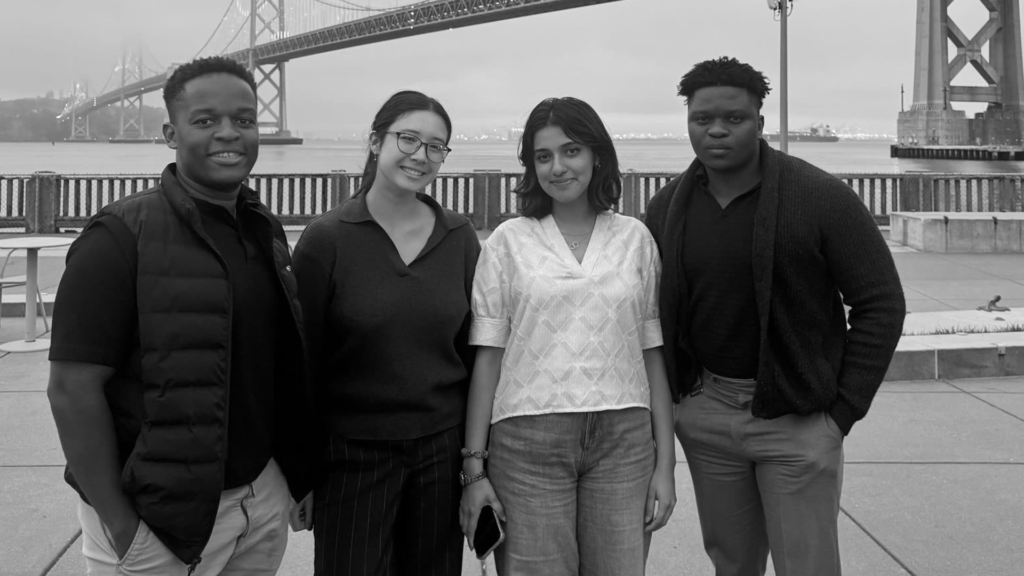
“Our mission has been simple: encode human expertise into frontier AI models, and bring frontier AI into the real world,” said Michael Moyo and Louis Murerwa, co-founders of Ocular AI.
The company says some of the top AI labs and Fortune 100 companies now train and test their models on its data. It works with labs building voice-native models, recording conversations at studio quality, building tests that show where models fail, and supplying data to fix those gaps.
According to the company, its revenue is in the seven figures and growing quickly.
Ocular AI started with voice because it carries more information than text, including tone, timing, and pauses. The founders say this is where human expertise is easiest to see and hardest to find written down.
Most voice AI today works in three steps: one model turns speech into text, a second writes a reply, and a third reads it aloud. Everything that is not a word, such as tone or an interruption, is lost at the first step. Newer voice-native models skip the transcript and handle turn-taking in real time.
The company says NVIDIA, Thinking Machines Lab, OpenAI, and Google have each released or previewed full-duplex models that listen and speak at once. Ocular AI says these models still struggle with underrepresented accents and with real interruptions.
The startup believes the issue isn’t a lack of data, but rather a shortage of “frontier data,” which reveals what models are currently unable to do. Collecting this type of data is challenging because real conversations involve overlapping speech, pauses, and clear audio from each speaker. Testing is also limited since most benchmarks don’t use real-life speech.
In its research called Beyond Fisher, Ocular AI discovered that most open full-duplex models depend on an old 8 kHz telephone dataset from 2004. To tackle this problem, the company has created an Expert Network of thousands of qualified specialists. They work together to identify model failures and use those insights to create training datasets.
Ocular AI said it is focusing on developing evaluation tools and research while building an Applied AI Data Research Lab. Its first project, called Converse, aims to test if AI can have conversations like humans.
It looks at four key areas: understanding natural conversation, speaking with the right emphasis and pacing, managing interruptions, and turning spoken discussions into accurate results.
The first test, Converse-STT, is now active and measures how well speech-to-text models convert real conversations into text.
The company also plans to extend its Expert Network beyond voice into fields such as medicine, law, finance, and software engineering. It says it is already working with labs on audiovisual datasets for models that can see and talk at the same time.