
Editor’s note: African-Startups is a sister publication of EU-Startups, bringing trusted coverage of startups, venture capital, and innovation across Africa.
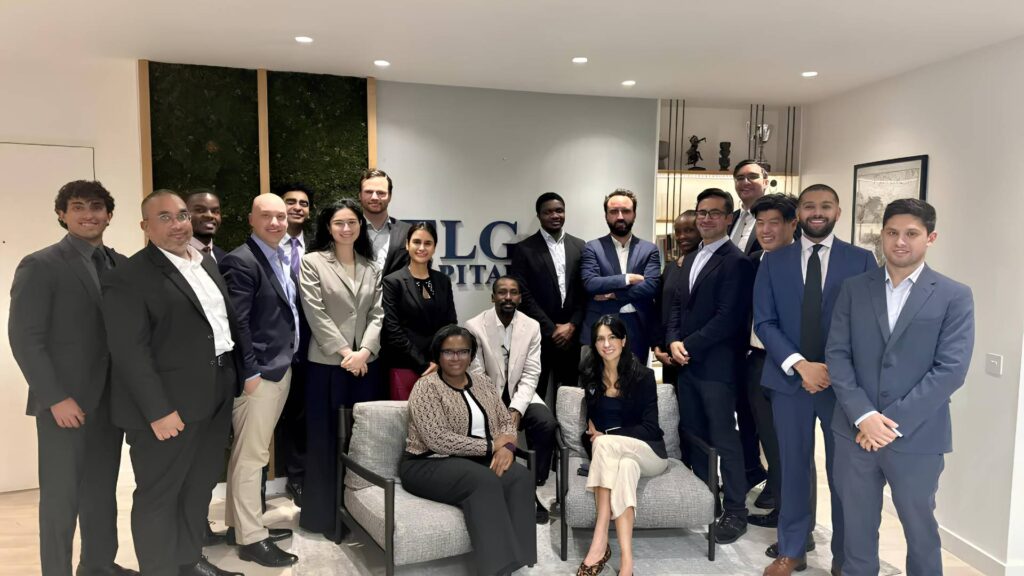
TLG Capital, a private investment firm which invests in small and medium-sized enterprises (SMEs) across sub-Saharan Africa, has announced the $120 million second close of its Africa Growth Impact Fund II (AGIF II). The second close was led by French development finance institution Proparco and Calvert Impact Capital, the investment arm of US-based impact investor Calvert Impact.
AGIF II is structured as a seven-year, closed-ended fund that builds on the strategy of its predecessor, AGIF I, offering investors patient capital with a three-to-seven-year horizon and targeting a net annualised return of 12 to 14% or more. Before the $120 million close, the fund managed more than $80 million in assets.
The fund also saw participation from six new backers and larger commitments from investors who joined at first close. Among those returning with expanded allocations is Swedish development finance institution Swedfund, which increased its stake in AGIF II after a successful exit from the fund’s predecessor, AGIF I. The fund has now drawn 22 investors in total, with roughly 48% of committed capital coming from outside the development finance institution community, a sign that African private credit is gaining traction as a mainstream institutional asset class.
AGIF II has also formed a strategic partnership with the UK’s Foreign, Commonwealth and Development Office through its Manufacturing Africa program. The fund closed its first round at $75 million in April 2025. In the year since, it has deployed capital into nine SMEs spread across seven African countries and seven industry sectors, issuing debt facilities of between $5 million and $15 million per company. Notably, 59% of total capital has gone to businesses in United Nations-designated Least Developed Countries, with another 19% directed to World Bank-classified conflict-affected areas.
“TLG AGIF II’s portfolio today sustains 850 jobs spanning companies from Guinea to Zambia. We have traced the use of our capital to profound impact: recycling an Eiffel Tower of additional aluminium each year in Nigeria, connecting 18 new regions with fibre internet in Djibouti, and financing lower-cost schools educating more than 20,000 additional children in Kenya. AGIF II exists to bring African SMEs the financing they need to grow. TLG does this with an innovative structure that makes commercial sense for global investors and impact sense for communities across the continent,” said Isha Doshi, co-founder of TLG Capital.
Maya Burney, Senior Officer at Calvert Impact, said, “For over 30 years, Calvert has been and continues to be incredibly selective with whom we form financing partnerships. Particularly in jurisdictions and regions with elevated perceived and real risk characteristics. TLG has demonstrated a unique ability to innovate whilst providing meaningful downside protection in line with what commercial private capital requires.”
AGIF II’s lending model, known as BOMA (Bank Originated & Mitigated Assets), sees TLG originate loans to African SMEs in partnership with local banks. Each loan carries a longer repayment tenor than banks typically offer on the continent and is backed by a guarantee from the originating bank covering the full principal, effectively swapping SME credit risk for the institutional backing of a regulated African lender.
Investors framed the deal as a bet on a previously underserved market. Africa Re’s chief executive Dr Corneille Karekezi called it the reinsurer’s “first private credit fund investment in Sub-Saharan Africa,” noting that TLG’s bank-guarantee structure addresses “challenges from an enforcement and risk perspective” that have historically deterred private credit on the continent.
IFC’s Aliou Maiga and Swedfund’s Jonas Tornblad both emphasised the fund’s role in preserving jobs and unlocking credit for businesses facing cash flow constraints.
AGIF II has been recognised under the Gender 2X Challenge and named to the ImpactAssets 50 in 2026, reflecting its focus on Africa’s least developed countries, gender equality, local ownership and sustainable industrialisation.