

Editor’s note: African-Startups is a sister publication of EU-Startups, bringing trusted coverage of startups, venture capital, and innovation across Africa.
Johannesburg-based private equity firm Sango Capital has been named manager of about $460 million in committed capital spread across three African fund portfolios. A consortium of institutional limited partners initiated the management change, according to Sango, which did not disclose the identity of the outgoing manager or the reasons behind the switch.
The mandate is the latest in a string of deals that have widened Sango’s footprint beyond its roots as a direct private equity investor and into the business of managing capital on behalf of other institutions. The shift mirrors a broader trend in African private markets, where liquidity-starved funds are increasingly turning to secondary specialists and continuation-vehicle managers to keep capital moving.
The three portfolios span multiple vintage years and carry exposure to financial services, consumer goods, healthcare, infrastructure, energy, agribusiness, mining and technology companies in more than 20 African countries, according to the announcement. Sango said it will now handle day-to-day portfolio management and value creation across the holdings, operating within the terms each fund’s original mandate set out.
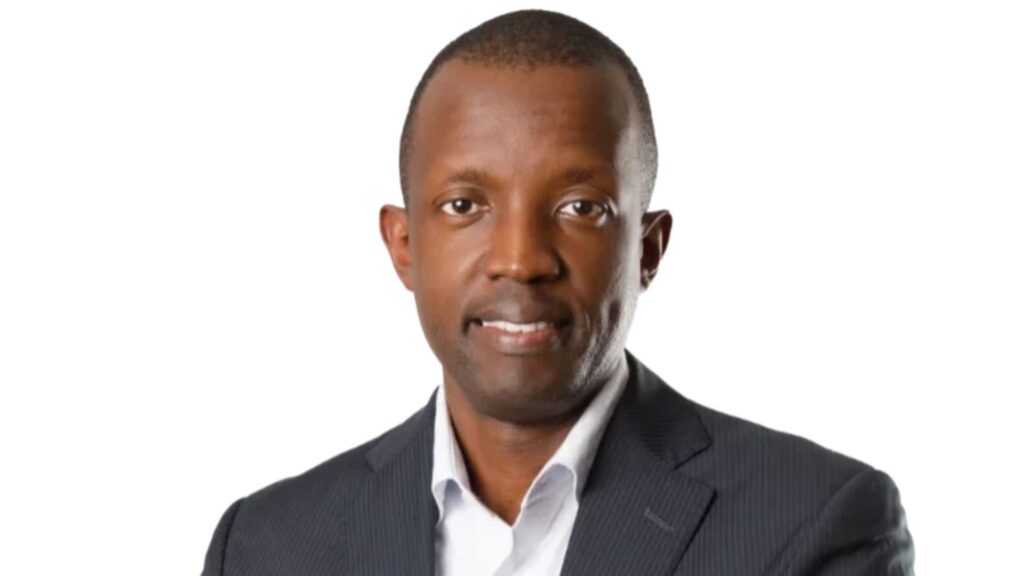
“We are honoured to have been entrusted by this group of institutional limited partners with the stewardship of significant capital in established African private market vehicles. Our objective is clear: support and accelerate continued value creation in the underlying portfolio, deliver returns on terms consistent with each fund’s mandate, and continue to attract new capital to these markets,” said Richard Okello, co-founder and Partner at Sango Capital.
Founded in 2011 by former Bridgewater Associates partner Okello and Charles Mwebeiha, Sango Capital initially focused on primary private equity before expanding into secondary private equity, primary and secondary venture capital, and private credit.
Its appointment to manage $460 million in committed capital did not happen in isolation. Earlier this year, Sango completed a continuation vehicle covering multiple funds tied to its debut vehicle, Sango Capital Partners, and separately closed a $120 million secondary transaction involving four other African funds. Together, the three deals showcased Sango’s positioning as an intermediary of choice when African fund managers or their LPs need to restructure, exit, or hand off ageing portfolios.
With a focus on consumer demand, food value chain, infrastructure, and energy companies, the firm says it has invested, directed or managed more than $1.2 billion across more than 60 companies since inception and completed over 80 exits.
In 2022, it acquired a controlling stake in Sotipapier, the leading paper packaging manufacturer in Tunisia, from SPE Capital Partners. It invested in Sundry Markets in 2015 before partially exiting via a sale to a financial partner in 2022. At that time, the firm said it returned more than five times the original investment to its investors.
“Secondaries, continuation vehicles, and institutional portfolio management mandates are emerging as the structural infrastructure that will sustain African private equity through its next chapter. This appointment, together with our recent transactions, is representative of how we have built Sango as a platform to deliver returns, governance, and execution at scale for institutional LPs,” said Mwebeiha.
The $460 million mandate is notably larger than the $120 million secondary deal closed by the firm earlier this year. In terms of dollar value, this is one of the firm’s biggest portfolio management wins to date. The continent’s private equity (PE) ecosystem has entered a period of major structural recalibration driven by the rise of a dedicated secondaries market, DFI mandate flexibility, etc.
It needs to be seen whether the appointment reflects growing confidence from LPs in Sango specifically, or a wider scramble among African fund investors to find managers willing to take on legacy portfolios.