
Editor’s note: African-Startups is a sister publication of EU-Startups, bringing trusted coverage of startups, venture capital, and innovation across Africa.
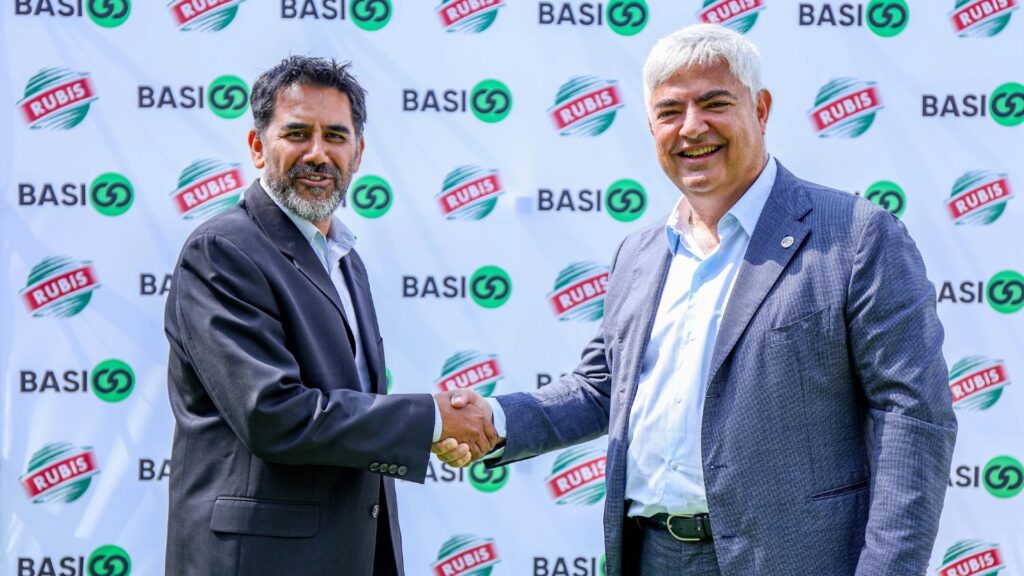
BasiGo, the Nairobi-based electric bus startup, has partnered with Rubis Energy Kenya to deploy DC fast-charging infrastructure along Kenya’s key transport corridors.
The first charging station under the partnership is now operational at the Rubis service station in Sabaki, Athi River, with three additional sites in Meru, Nanyuki, and Nyeri scheduled to go live later this month.
“Scaling electric mobility requires infrastructure, and that’s exactly what this partnership with Rubis is building. We are creating the infrastructure that will power EV operations beyond Nairobi and connect communities across Kenya,” said Jit Bhattacharya, CEO and co-founder of BasiGo. “This is a massive step forward for Kenya’s e-mobility industry, and it is a model we intend to replicate as we scale across the region.”
The stations are open to the public and will serve electric buses, vans, trucks, passenger vehicles, and other compatible EVs Each site is equipped with both CCS2 and GB/T DC 100kW fast chargers, capable of charging a typical passenger vehicle in under one hour.
The partnership leverages Rubis’s network of more than 300 service stations across Kenya and BasiGo’s position as the operator of the largest network of DC fast chargers for electric vehicles in East Africa.
Founded in 2021 by Jit Bhattacharya, BasiGo provides electric buses to public transport operators through its Pay-As-You-Drive financing model, which allows operators to acquire an electric bus for a similar upfront cost to a diesel vehicle and then pay a per-kilometre subscription fee covering battery leasing, charging, and maintenance.
The company assembles its buses locally in Kenya and currently has nearly 500 pending orders from transport operators. Total EV registrations in Kenya crossed 35,000 in 2025, up from just 796 in 2022.
It is backed by Africa50, Novastar Ventures, CFAO Kenya, Mobility54, SBI Investment, Trucks VC, Moxxie Ventures, and Susquehanna Foundation. In October 2024, the company raised $42 million ($24 million in equity funding and $17.5 million in debt) to deliver 1,000 electric buses in East Africa by 2027. In November 2025, the company secured an investment from Proparco to accelerate electric bus adoption in East Africa.
“This partnership between BasiGo and Rubis Energy Kenya is a pivotal step in powering Kenya’s sustainable future,” said Frederic Maupetit, managing director of Rubis Energy Kenya. “By putting our retail network behind the next generation of mobility, we are making EV travel practical for Kenyans along major transport corridors.”
Olivier Sabrie, CEO of Rubis Energy East and Southern Africa, said, “Kenya is quickly becoming a proving ground for what is possible across our footprint. This deal shows how Rubis is evolving from fuel distributor to full energy partner. A shift we expect to see replicated across East and Southern Africa.”