
Editor’s note: African-Startups is a sister publication of EU-Startups, bringing trusted coverage of startups, venture capital, and innovation across Africa.
Africa’s startup scene is growing steadily, with founders expanding beyond just FinTech, which has been the main focus for a while. From carbon capture rigs to genomics labs and satellite systems, a serious DeepTech scene is taking shape.
Between 2013 and mid-2023, DeepTech startups in Africa raised around $3 billion across 360 deals, making up 15% of total continental startup funding.
Sector funding also climbed 130% between 2015 and 2023, jumping from $86 million to $1.2 billion. That momentum has held into 2025, with more than 800 non-FinTech DeepTech startups raising over $500 million, a 40% year-on-year rise.
AI and machine learning take the largest share of that capital at roughly 35%, followed by AgriTech at 20%, with ClimateTech, EnergyTech, and HealthTech making up the rest.
DeepTech develops mostly near universities and industrial areas, unlike FinTech, which is centred in banking capitals. This is why countries like South Africa, Nigeria, Morocco, Egypt, and Kenya are advancing faster.
South Africa sits right at the front. The country accounts for around 40% of the continent’s non-FinTech DeepTech activity and is often described as Africa’s R&D hub.
It hosts 22% of Africa’s 127 active innovation hubs, more than any other country on the continent, with Cape Town and Johannesburg anchoring a vibrant, private sector-driven ecosystem.
Much of its strength comes from a steady pipeline of PhDs out of the University of Cape Town and Stellenbosch, backed by relatively mature IP laws and government support through bodies like the Department of Science and Innovation (DSI) and the Technology Innovation Agency (TIA).
The results are companies working across BioTech, satellite systems, language AI, precision agriculture, and clean energy. While some are spin-outs from top universities, others are backed by global investors, making the deep tech scene in South Africa thriving and more interesting. What was once considered a regional ecosystem is now steadily turning to a global one.
Having said that, here are 10 South African DeepTech startups worth paying attention for.
Altera Biosciences
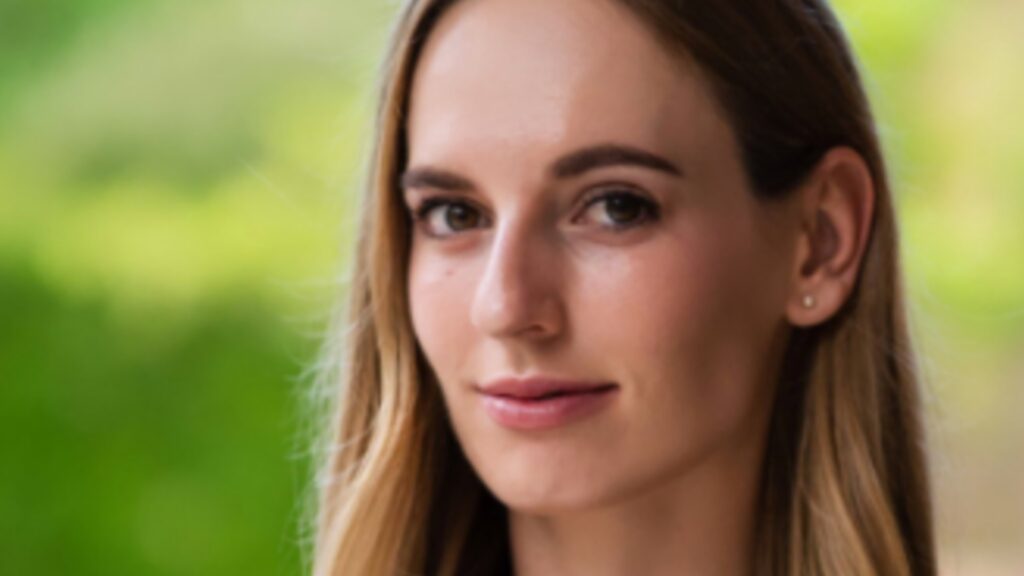
CEO: Alexandra Miszewski
Founded in 2024
Altera Biosciences is a preclinical-stage biotechnology company developing a universal donor cell platform for off-the-shelf allogeneic cell therapies. The company works on cell engineering aimed at addressing immunogenicity and donor-matching challenges, with the goal of making advanced cell therapies more scalable and accessible across diverse patient populations. In July 2025, Altera closed a R29 million ($1.6 million) pre-seed round led by OneBio Venture Studio and E Squared Investments, one of the largest early-stage biotech rounds in the country and a marker for Africa’s emerging cell and gene therapy field.
CubeSpace
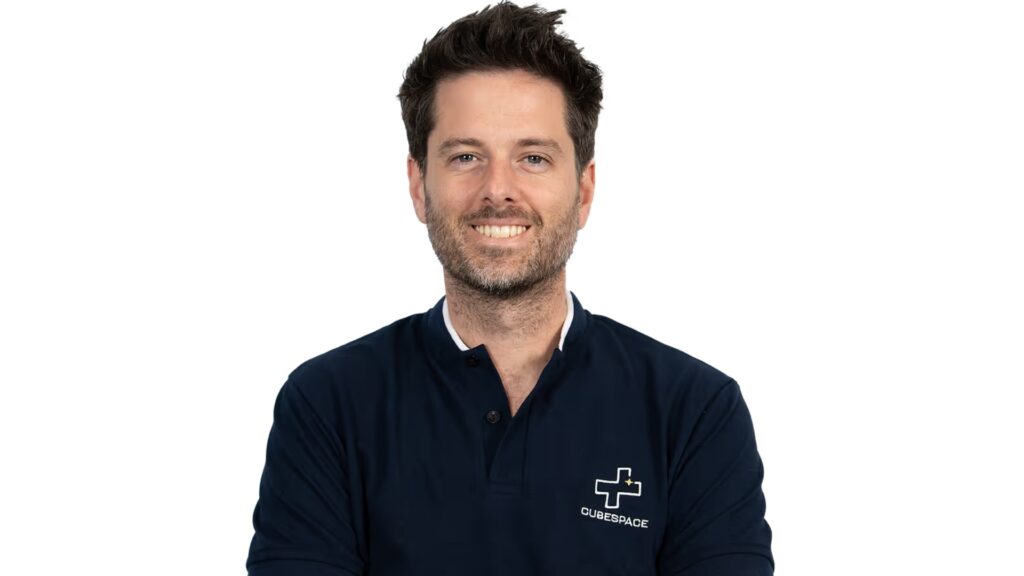
CEO: Mike-Alec Kearney
Founded in 2017
CubeSpace is a satellite technology spin-off from Stellenbosch University and Innovus. The company develops Attitude Determination and Control Systems (ADCS) for small satellites and spacecraft up to one ton. The company has delivered more than 4,600 standalone products and over 470 mission-tailored systems to more than 290 customers, operating from bases in Africa and Europe.In February 2025, CubeSpace secured $3 million from Futuregrowth Asset Management via its High Growth Development Equity Fund to expand into larger spacecraft in the 50-1,000kg class. Its systems are ECSS- and GEVS-qualified and built in ISO Class 7 Cleanrooms, with typical lead times of 8-12 weeks. Over the past year, CubeSpace has more than doubled its production capacity through modular design, a distributed supply chain, and production and test automation.
Lelapa AI
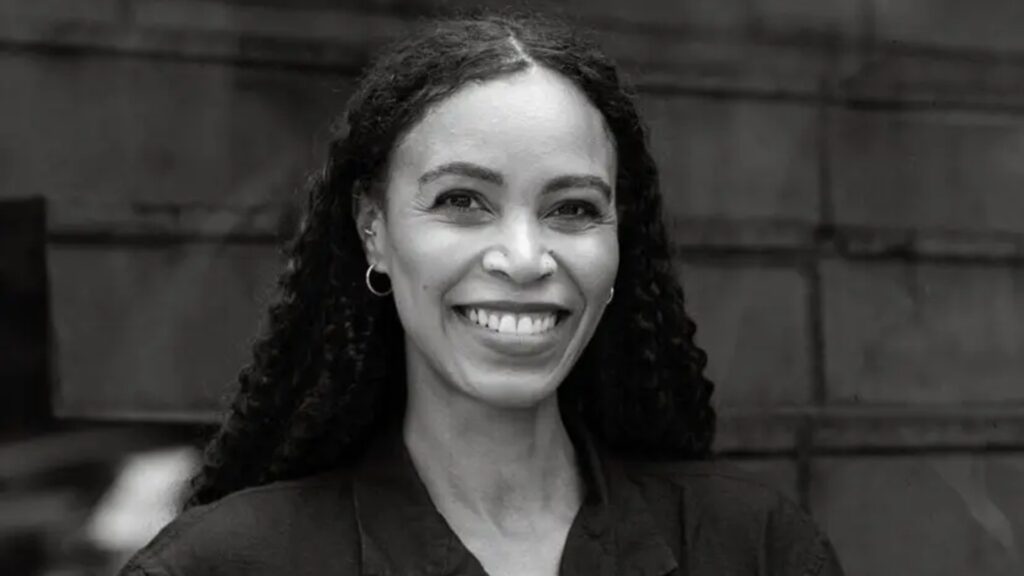
CEO: Pelonomi Moiloa
Founded in 2022
Lelapa AI develops language AI infrastructure designed for environments with limited compute, fragmented data, and multilingual contexts. Instead of building large systems and scaling them down, the company designs for efficiency at the foundational level, with a focus on African languages and applications in emerging markets before scaling globally. According to the company, this approach produces models that are affordable, high-performing, and scalable across regions. In 2024, the company introduced InkubaLM, Africa’s first multilingual AI large language model, aimed at supporting and enhancing low-resource African languages.
Aerobotics
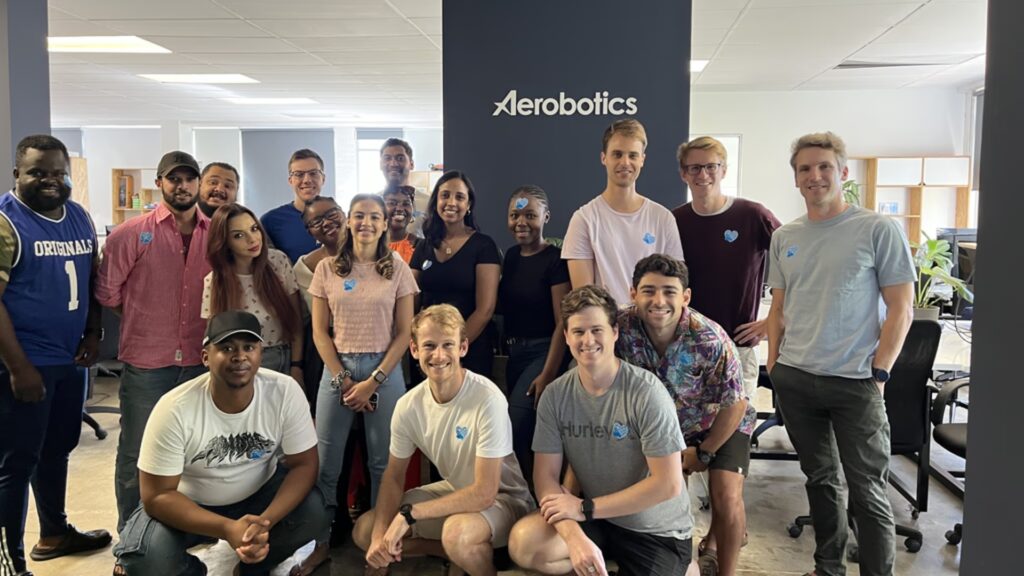
CEO: James Paterson
Founded in 2014
Aerobotics is an AgriTech and data analytics company that helps fruit growers, packers, and marketers forecast yields using measurements captured from smartphone imagery. The platform combines aerial imagery with machine learning algorithms to provide fruit size, colour, and quality measurements, along with size forecasting from early in the season. Since 2014, Aerobotics has supported producers managing more than 65 million trees, with clients in 18 countries across regions including Africa, the United States, Spain, and Australia. The company announced its partnership with AgroFresh in November 2025 to integrate its TrueFruit modules into the FreshCloud digital system. In February 2026, they expanded their TrueFruit Grade platform to include apples and grapes, and they were also chosen as a John Deere 2026 Startup Collaborator.
DataProphet
CEO: Ridwaan Seedat
Founded in 2014
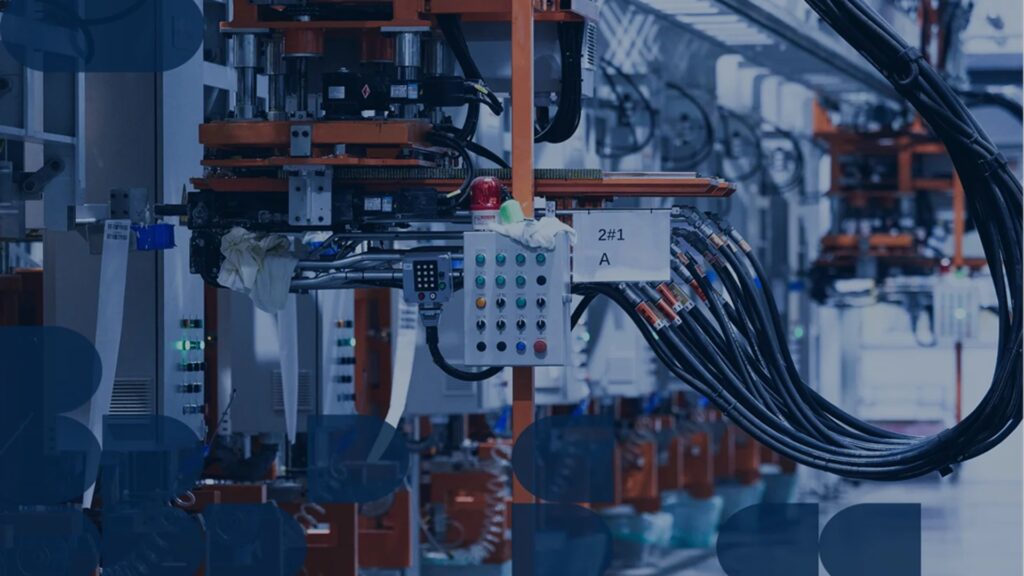
DataProphet works on improving manufacturing processes through data. The company focuses on production processes, data infrastructure, data fidelity, and tools intended to support sustained improvements in its customers’ operations. In 2018, the company launched its first AI-for-manufacturing product, Prescribe, aimed at process optimisation through machine learning. Its team of engineers, statisticians, and manufacturing specialists is based in South Africa and the Netherlands. In September 2025, DataProphet was recognised in the Milken-Motsepe Prize in AI and Manufacturing.
hearX Group

CEO: Nic Klopper
Founded in 2015
hearX is a HealthTech company, spun out of University of Pretoria, develops clinically validated digital applications for hearing loss detection and diagnosis without the need for a soundproof booth. Trusted by major brands in over 192 countries, the company claims to use smart technology and data to make hearing care more affordable and accessible for both hearing health care professionals and end-users. In March 2025, the company merged with US-based Eargo to form LXE Hearing, backed by a $100 million investment from Patient Square Capital. As part of LXE Hearing, hearX combines its assessment tools with over-the-counter (OTC) hearing aids to support intervention and ongoing care.
bixbio

CEO: James Ross
Founded in 2020
bixbio is a DeepTech bioinformatics company building tools to explore diverse genetic data in Africa for applications in drug discovery. The company works from the premise that Africa represents the largest source of human genetic diversity and that much of this diversity remains unexplored, developing bioinformatics tools intended to make this data more usable for pharmaceutical research.
SeaH4
Founded in 2021
SeaH4 develops biofuels and e-fuels aimed at reducing emissions in the shipping and aviation sectors. The company’s process uses seaweed farmed in ponds along desert shores, combined with green hydrogen as feedstock. SeaH4 aligns its work with the United Nations Sustainable Development Goals, addressing 12 of the 17 goals directly and five indirectly. The company has been crowned as winner at the ClimateLaunchpad Global Grand Final 2025, held in Vienna, Austria, for its algae-based fuel innovation.
Balancell Energy
CEO: Andrew McPherson
Founded in 2013
Balancell develops battery storage solutions, including a battery management system and energy platform. The company focuses on various energy storage solutions, ranging from industrial motive batteries to high-voltage energy storage systems. The company aims to reduce costs and enhance performance in energy management while supporting operational and environmental objectives. The company holds Level 2 B-BBEE status. More than 5,500 of its batteries, totalling 85MWh, are currently operating in the field. The company’s mission revolves around developing intelligent battery systems that manage and protect themselves, as well as monitor their usage and condition remotely. The company is one of the top 20 fastest-growing companies in Africa, according to a survey by the Financial Times and Statista. Its technology powers the Thula Safari electric vehicle, developed with Stellenbosch University. Right now, over 5,500 of its batteries, totaling 85 MWh, are in use.
Strait Access Technologies
CEO: Professor Peter Zilla
Founded in 2008
Strait Access Technologies (SAT) develops medical devices for treating heart valve diseases, with a particular focus on Rheumatic Heart Disease (RHD) in developing countries. SAT was established as a startup funded by the JSE-listed Bidvest Group and the University of Cape Town, where it is based. The South African Health Products Regulatory Authority (SAHPRA) and the Human Ethics Committee at Groote Schuur Hospital have approved the company’s first clinical implants in humans. Strait Access Technologies reached an important milestone in early 2026 by completing the first human use of its FDA-approved CenterFlow® balloon dilation catheter at two hospitals: Massachusetts General Hospital in Boston and Jefferson University Hospital in Philadelphia.