
Editor’s note: African-Startups is a sister publication of EU-Startups, bringing trusted coverage of startups, venture capital, and innovation across Africa.
Cold Solutions Rwanda, a provider of cold storage solutions, has reached a financial close on a senior debt facility of up to $18 million from the Africa Go Green Fund (AGG), managed by Cygnum Capital.
The senior debt facility comes as Africa moves toward using debt as financial infrastructure to scale ClimateTech assets. Last month, Kenya-based solar irrigation firm SunCulture raised $10 million senior secured financing from Mirova to reach more smallholder farmers across the country.
“This investment reflects AGG’s commitment to backing infrastructure that addresses real economic bottlenecks while delivering measurable climate benefits. Rwanda has established itself as a regional leader in agricultural transformation and value-added food processing, yet the availability of modern cold-chain infrastructure has not kept pace with growing demand,” said Laurène Aigrain, Managing Director, AGG.
The Africa Go Green Fund (AGG), an initiative of German development bank KfW, was established on behalf of the German government to provide debt financing to businesses working in industrial energy efficiency, green buildings, clean transport, and green appliances. It aims to back companies working to cut greenhouse gas emissions across Africa.
AGG counts the German Federal Ministry for Economic Cooperation and Development (BMZ), the African Development Bank, the International Finance Corporation (IFC), the Nordic Development Fund, British International Investment, Calvert Impact Capital, Monday Charitable Trust, Swedfund, and DEG among its backers, with committed capital currently standing at $232 million.
Cold Solutions Rwanda is the Rwanda operating platform of the ARCH Cold Chain Solutions East Africa Fund, advised by ARCH Emerging Markets Partners, a specialist emerging-markets investment adviser founded in 2018, authorised and regulated by the UK Financial Conduct Authority. ARCH advises on strategies across renewable energy, logistics, cold-chain solutions, and sustainable natural resources across emerging markets.
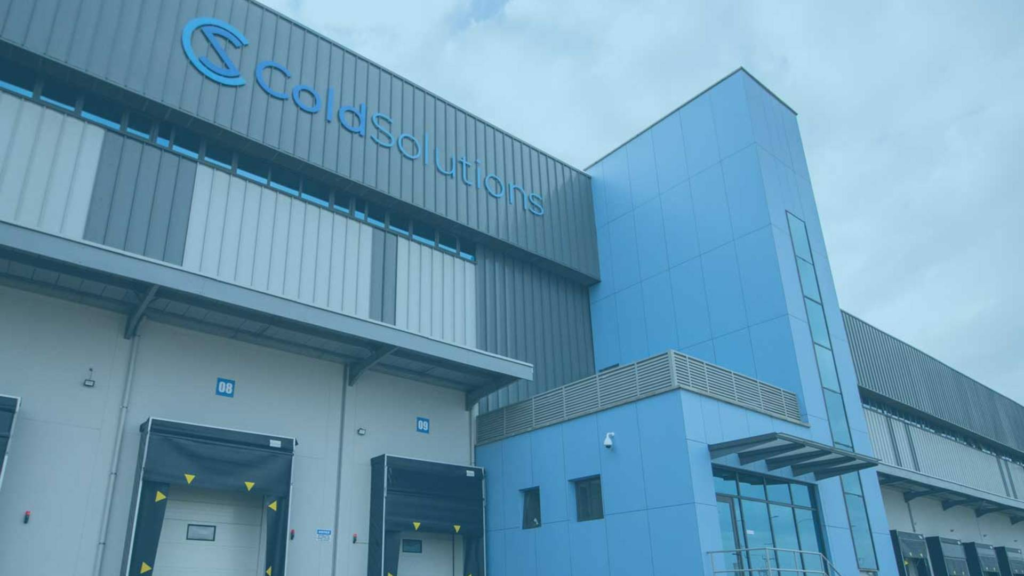
CS Rwanda has already opened its first temperature-controlled packhouse in Kigali and launched cold-chain logistics services in the country.
“Reaching financial close with AGG is a key moment for Cold Solutions Rwanda and a historic milestone for cold-chain infrastructure in the country. CSRL’s temperature-controlled packhouse in the Kigali Prime Economic Zone is already operational, and its avocado processing line is helping our Rwanda-based growers meet the quality and shelf-life standards of export markets,” said Suki Muia, Investment Director, ARCH.
Rwanda has seen major growth in agriculture and food-processing sectors, but the country’s cold-storage and refrigerated transport capacity hasn’t matched the pace. This has led to post-harvest losses and reduced shelf life and marketability of perishable goods.
“Cold Solutions Rwanda is helping close that gap by creating the storage and logistics backbone needed for businesses to expand, reduce product losses, and improve supply-chain efficiency,” Aigrain added.
CS Rwanda plans to use the senior debt facility to finance construction and working capital for a new cold-storage facility in the Kigali Prime Economic Zone. The facility will have an initial capacity of 4,000 pallets and an option to expand to 8,000 pallets.
The facility will combine packhouse operations, handling, and refrigerated logistics services to create an integrated solution capable of everything from handling to distribution. The project also includes a planned 440kW rooftop solar installation. This new facility is expected to provide dedicated storage for pharmaceuticals requiring strict temperature control, while lower food losses are seen as a way to reduce greenhouse-gas emissions linked to food waste.
In case of power outages, the company highlighted that it has implemented a multi-layered power redundancy system to ensure uninterrupted cold chain operations. This includes backup generators that activate automatically during grid failures, solar power integration, and thermal insulation systems designed to maintain temperatures during transitions. Its facilities can operate independently from the main power grid for extended periods without temperature excursions.