

Editor’s note: African-Startups is a sister publication of EU-Startups, bringing trusted coverage of startups, venture capital, and innovation across Africa.
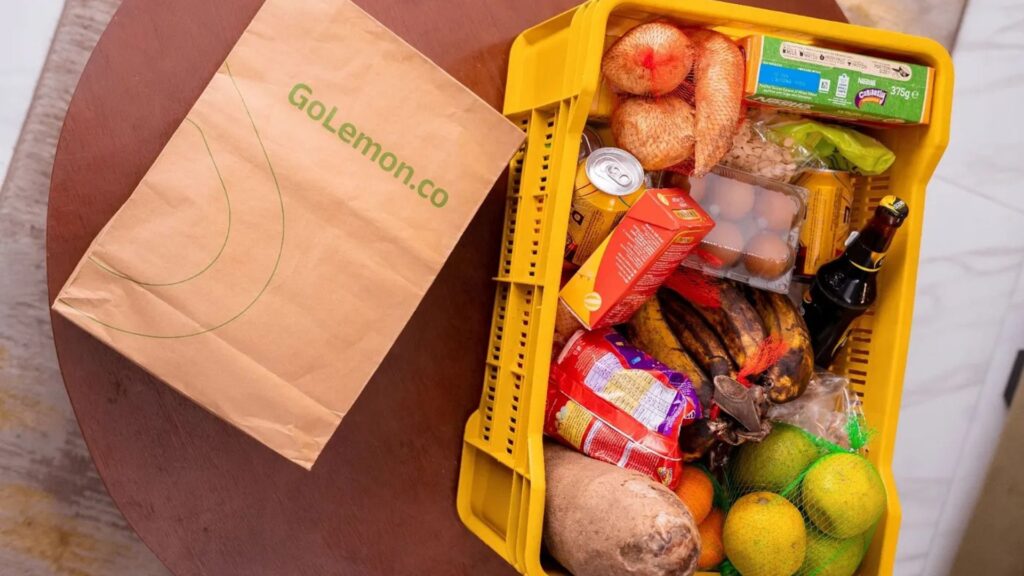
Lagos-based grocery delivery startup GoLemon is shutting down after it was unable to raise the additional capital it needed to keep operating, bringing a two-year effort to reinvent grocery shopping for Nigerian households to an end. The company, founded by former Paystack employees, stopped accepting orders in July 2026 and will close its customer support channels on 2 August 2026.
“Despite our efforts to raise additional funding, we couldn’t find a sustainable path forward within the time available to us,” the company said in a statement.
GoLemon’s decision to shut shop comes just months after the startup had marked two years of its existence. It also comes just weeks after Nigerian FoodTech platform FoodCourt temporarily suspended operations, while citing fundraising challenges as the reason.
Founded in 2024 by a team that included Yinka Adewuyi, Abiola Showemimo, Abdulrahman Jogbojogbo, and Gbadebo Gbade-Oyelakin, GoLemon set out to strip out middlemen between farms and Lagos kitchens by buying directly from farmers and manufacturers, running its own warehouses and cold-chain storage, and handling its own delivery fleet. The company dubbed its approach as building “grocery infrastructure” for the city rather than simply operating an app.
On its website, GoLemon pitched itself as a single destination stocking more than 7,000 products, promising savings of up to 30% per order and pickup-free convenience for busy households. The company later moved to make part of that infrastructure more flexible: in December 2025, it began fulfilling orders placed through Chowdeck, Nigeria’s largest food-delivery app, with GoLemon sourcing and packing baskets that Chowdeck riders then delivered.
Adewuyi claims GoLemon grew into a meaningful part of grocery shopping routines across Lagos. In a LinkedIn post, he said the startup was serving thousands of homes and had delivered close to $1.8 million (₦2.5 billion) worth of groceries, while also rescuing produce that would otherwise have gone to waste through an initiative called GoLemon Misfits. The company had recently added new investors, upgraded its warehouse and cold-chain capacity, and was preparing to expand from one Lagos fulfilment centre to three.
However, it seems those efforts didn’t come to fruition. The startup adds that the decision to wind down operations came down to timing rather than a single fatal flaw. It reportedly held talks with several potential investors and partners about strategic alternatives, but none of the conversations resulted in a completed transaction before the company’s cash ran out.
The startup maintains that its core business worked at the unit level, meaning individual orders were profitable but it never built up enough order volume to cover its operating costs. Its a challenge that has plagued even larger African e-commerce players such as Jumia and Bolt in the past.
GoLemon said about 20% of its employees have already found new roles, and the company said it is helping the rest with introductions and references. “We’ll always be grateful for the chance to build GoLemon, and proud of the people who made it possible,” the company said.