
Editor’s note: African-Startups is a sister publication of EU-Startups, bringing trusted coverage of startups, venture capital, and innovation across Africa.
The eight countries that share the Zambezi River Basin have agreed on key actions for a $130 million regional program aimed at improving food security, livelihoods, and ecosystem health.
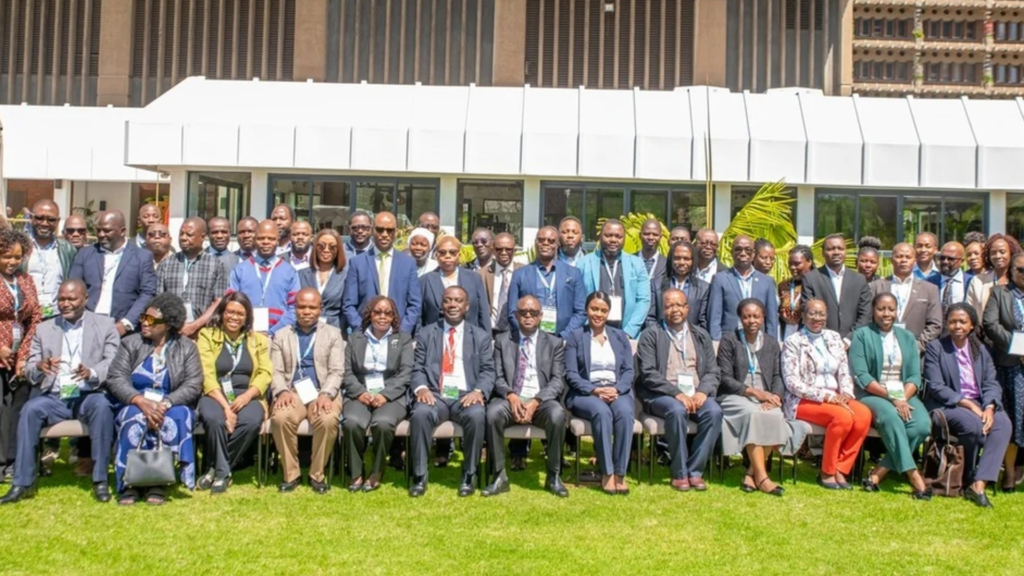
A regional workshop held in Harare from 9 to 11 September brought together representatives of the Zambezi Watercourse Commission, the African Development Bank, the Global Mechanism of the United Nations Convention to Combat Desertification, the Climate Investment Funds and the Government of Zimbabwe, ahead of an appraisal mission that will review the programme’s design.
Dr Laouali Garba, Manager for Agricultural Research, Production and Sustainability at the African Development Bank, said, “Now the time has come to turn the resources mobilized into achievements on the ground for community resilience, food security, job creation for women and youth, and climate change mitigation throughout the Zambezi basin.”
All eight Zambezi River Basin states: Angola, Botswana, Malawi, Mozambique, Namibia, Tanzania, Zambia and Zimbabwe, were represented, alongside regional technical partners, civil society organisations and private-sector representatives.
The programme rests on four components: natural resources management, community climate resilience, institutional capacity and knowledge, and coordination.
For communities in the basin, this translates into landscape restoration, improved water management, climate-smart agriculture, stronger value chains, and economic opportunities for women and youth.
The Zambezi is one of Africa’s largest rivers and supports important infrastructure like the Kariba and Cahora Bassa dams, as well as agriculture, fisheries, and tourism near Victoria Falls. However, climate change is causing more droughts and floods, putting many people who rely on the river at risk.
During a workshop, participants discussed the program’s technical plans, funding, implementation, geographic focus, and environmental and social protections.
They highlighted the need for national investments to benefit the entire basin, promote gender inclusion, and align with the Strategic Plan for the Zambezi Watercourse (2018–2040) and the Southern Africa Great Green Wall Initiative.
Recommendations included allocating at least 10% of national budgets to key areas, keeping communities involved, tracking gender outcomes, improving land governance, and agreeing on how to measure results.
“We have a shared responsibility to prepare a high-quality, bankable investment program,” said Eyerusalem Fasika, the African Development Bank’s country manager for Zimbabwe.
The African Development Bank is a multilateral development finance institution supporting economic and social development across Africa. The Zambezi Watercourse Commission (ZAMCOM) coordinates management of the shared Zambezi River Basin among its eight member states. The programme is also backed by the Climate Investment Funds, the African Development Fund, the Global Environment Facility, and the UN Convention to Combat Desertification.
The announcement comes a few days after AXIAN and the African Development Bank launched a programme aimed at expanding access to finance, digital tools and business support for more than 34,000 women-led enterprises across five African countries.